

Therapy for Adults Managing Chronic Illness
Online therapy for individuals in Austin, TX, and throughout the state of Texas.
Has your chronic illness impacted your life in major ways?
Have you ever felt dismissed when sharing your symptoms or missed out on plans because your body wouldn’t cooperate?
Do you struggle to keep up with everyday routines or feel weighed down by negative thoughts?
Managing these changes can start to feel isolating and painful.
Understanding the Emotional Side
Living with chronic illness can feel like you are no longer in control of your own life. It’s normal to feel frustrated, anxious, or sad about how this pain is affecting your relationships, your work, and your daily life. You may lie awake at night worrying about your role as a partner, parent, or friend — and about how they will cope with your life changes.

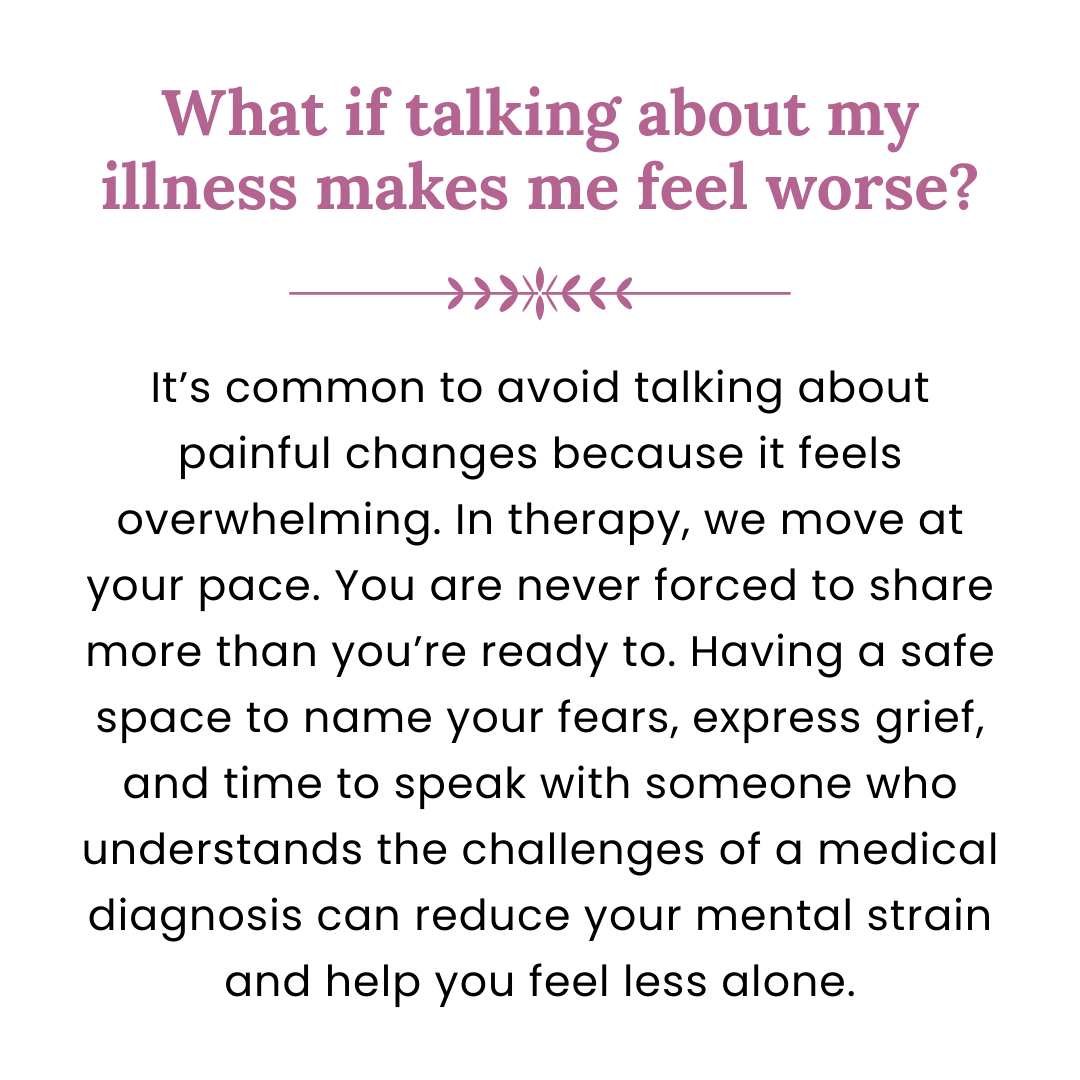
Difficult procedures, surgeries, or sudden health changes can leave lasting trauma, making you feel shaken, angry, or stuck. It’s common to grieve the life you had before chronic pain or the version of yourself you used to be. That loss can feel heavy, especially while struggling process and keep up with work, family, or your social life.
It’s natural to think, “If I could just go back to how I was before this diagnosis, like it never happened.” That longing shows how much you value your old sense of freedom and independence. But holding on to the past can make it harder to adjust to your new reality.
Therapy can help you process these feelings and rebuild a life that works for the new you. You can learn strategies to manage anxiety, navigate emotions, and reconnect with yourself and loved ones. With counseling, you can grieve what you’ve lost while discovering new ways to live fully and feel more grounded in your life today.
Living With Medical Issues Is More Common Than You Think
Almost everyone who lives with a chronic illness will face emotional and physical challenges—it’s unavoidable. No one goes through life without changes in health. Studies show that about 20.9% of adults in the U.S. live with chronic pain, and 40% of adults with chronic pain report symptoms of anxiety or depression (1, 2). These numbers highlight just how common these challenges are for many people.
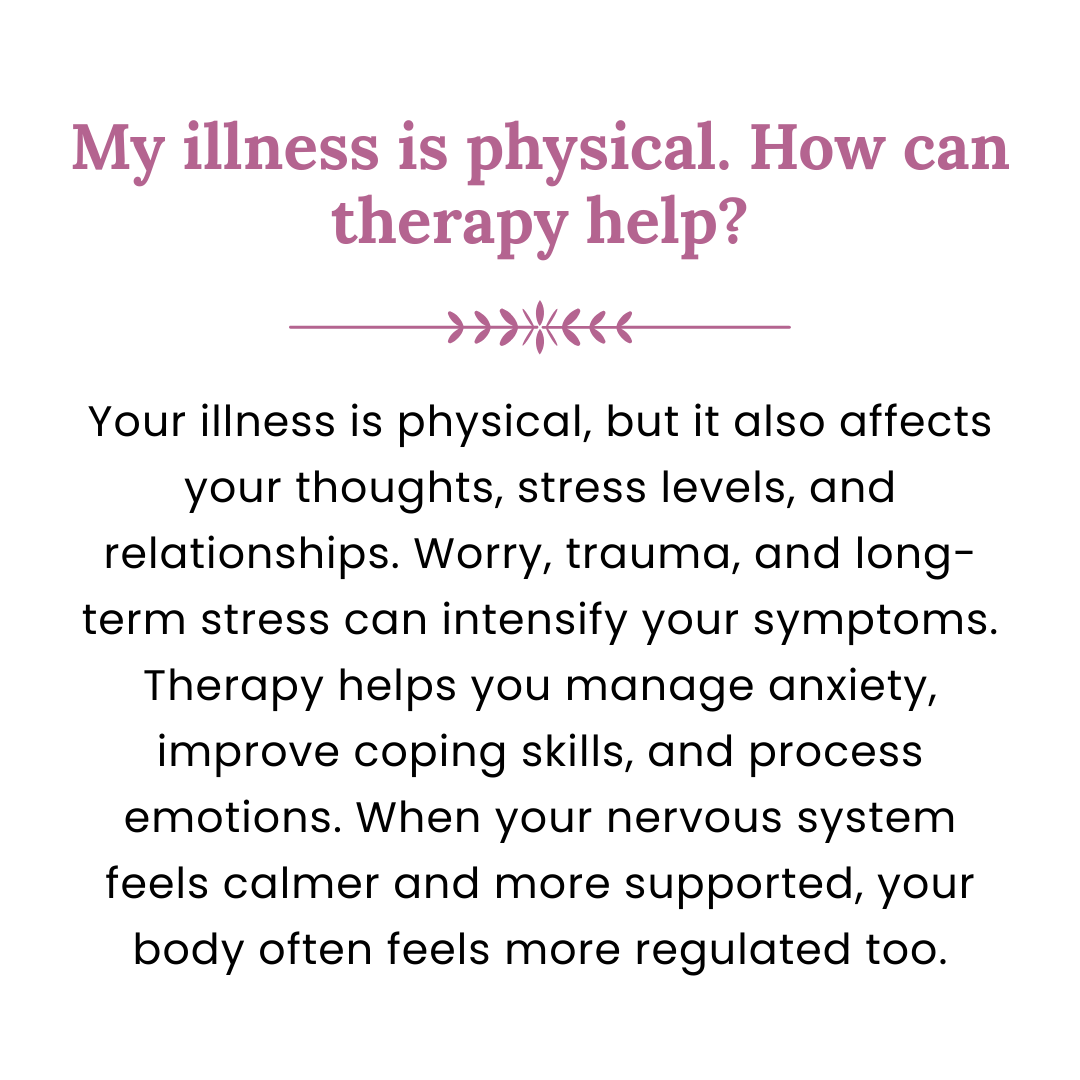
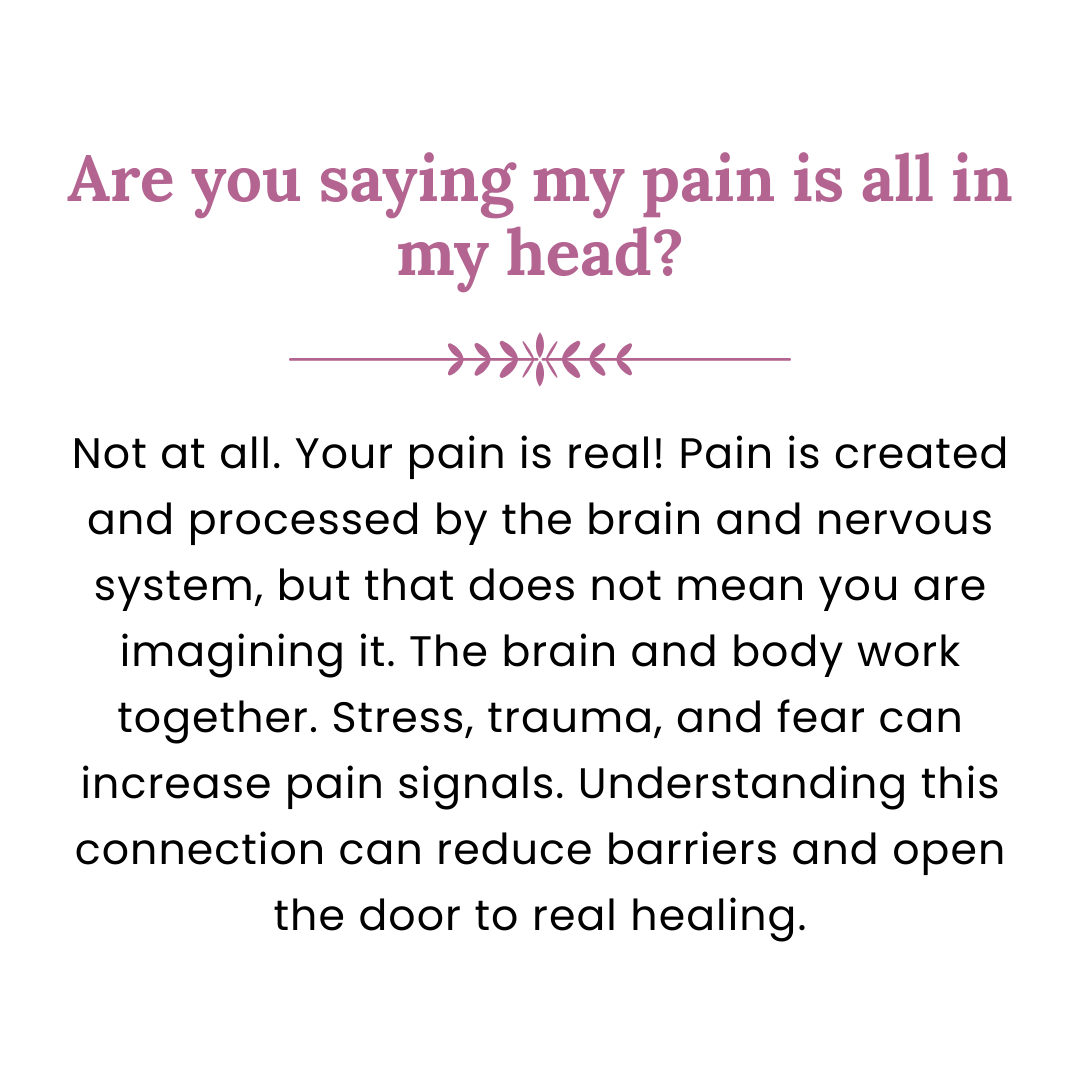
Chronic pain feels burdensome as it affects both the body and the mind. Trauma, anxiety, and long-term stress can change the way your nervous system responds, which can intensify pain, fatigue, or other symptoms. In our culture, independence and “pushing through” are praised. So, asking for help can feel uncomfortable — but keeping struggles inside often increases stress and makes pain harder to manage.

Feeling Disconnected From Your Old Life
These challenges, such as sudden diagnoses or past trauma, can affect emotions and daily life, leading to stress, anxiety, and fatigue. This may result in difficulties with sleep, concentration, and relationships, leaving one feeling frustrated, isolated, or overwhelmed.
Many people living with medical difficulties grieve the life they had before their diagnosis. You may notice changes in your work, family roles, or social life. You may struggle to accept that your body and energy are not the same. Over time, these feelings can leave you feeling disconnected from yourself and the people you love.
Seeking help is not a sign of weakness — it’s a step toward understanding your body and reclaiming your health. With guidance from a compassionate therapist, you can learn to navigate your new reality, reduce anxiety, and reconnect with yourself and your loved ones.
Therapy Is The Antidote
Living with chronic illness can change almost every part of your life. In our sessions, we focus on what you are facing right now and the ripple effects that can impact you in the future. My goal is to help you learn somatic techniques to ground yourself, become informed of your options, and feel more in control of your diagnosis.
Therapy with me is practical. It is not just about talking through problems. I teach skills and techniques you can use in real-life situations, so progress continues outside of your sessions. Together, we focus on tools that fit your daily routine and energy level.
Here’s what our work may include:
Managing Symptoms
Using Cognitive Behavioral Therapy (CBT) and Pain Reprocessing Therapy (PRT), we will work on calming your body’s stress responses. You will learn how fear, tension, and certain thought patterns can increase discomfort. Then we gently retrain your brain and body to feel safer. As stress lowers, many people notice better sleep, fewer flare-ups, and improved well-being.

Reframing Thoughts
A diagnosis can lead to heavy thoughts like, “My life will never be the same,” or “I can’t handle this.” CBT helps you identify and challenge these patterns in a realistic, supportive way. This is not about pretending everything is fine. It is about creating thought patterns that ignite hope and a greater sense of control.
Building Coping Skills
You will learn tools to handle strong emotions, medical stress, and unexpected setbacks. We practice calming techniques, boundary-setting, and clear communication skills. These tools help you feel more prepared for medical situations and less powerless when difficulties arise.
Enhancing Quality of Life
Pain, fatigue, and limited abilities can shrink your world. Together, we focus on small, achievable goals that bring purpose and joy back into your day. This may include pacing your energy, adapting your hobbies and activities, or strengthening relationships.
Progress happens step by step. With the right tools and support, you can build a life that feels meaningful and empowering despite your limitations.

A Therapist Who Truly Understands
Having an autoimmune condition gives me a unique perspective and approach to therapy. I understand the weight of a diagnosis and the frustration of navigating the healthcare system. I know what it feels like to advocate for yourself while managing symptoms.
You won’t have to explain the basics to me. I bring both professional training and lived experience into our work together.
With the right tools and support, it is possible to build a life that feels exciting, intentional, and your own — even alongside chronic illness.
Wait, I Still Have Questions About How Therapy Helps
You Can Learn to Live Alongside Your Illness Without Losing Yourself
To schedule an appointment or discuss questions you may have regarding therapy for chronic illness, contact me at (512) 765-6259. I try to get back to all voicemails and emails within 48 hours.
You can also schedule a free 15-minute consultation.
References: 1. Chronic Pain Among Adults — United States, 2019–2021. Centers for Disease Control and Prevention (CDC). 2. Aaron, R. V. et al., JAMA Network Open review on chronic pain and mental health symptoms. (Approximately 40% report depression/anxiety).