Why Does Healing Feel Harder Before It Gets Better?
by Taylin D. Ramirez
You might start therapy, set boundaries, or slow down—and suddenly feel worse. More tired. More emotional. More unsure. You may wonder, Did I break something? Am I doing this wrong?
This reaction is common. And frustrating. Healing doesn’t move in a straight line. It often feels heavier before it feels lighter.
When you begin healing, you stop pushing things away. You notice what you’ve been holding. That awareness can feel overwhelming at first.
When Healing Feels Worse Instead of Better
Healing can show up in ways you didn’t expect. You may notice:
You feel more emotional than before
Old memories or feelings pop up
Your body feels tired, achy, or tense
You feel unsure of yourself or your choices
You want to quit or go back to “how it was.”
This can be scary. You might think healing should feel calm or peaceful right away. But often, healing starts by bringing things to the surface.
If you’ve spent years staying busy, strong, or numb, slowing down can feel unsafe. Your nervous system isn’t used to resting yet. It’s used for survival.
You may also start noticing patterns - such as people-pleasing, pushing past limits, and ignoring your body. Seeing these patterns can hurt. Awareness doesn’t always feel good at first. This doesn’t mean healing isn’t working. It means something important is shifting.
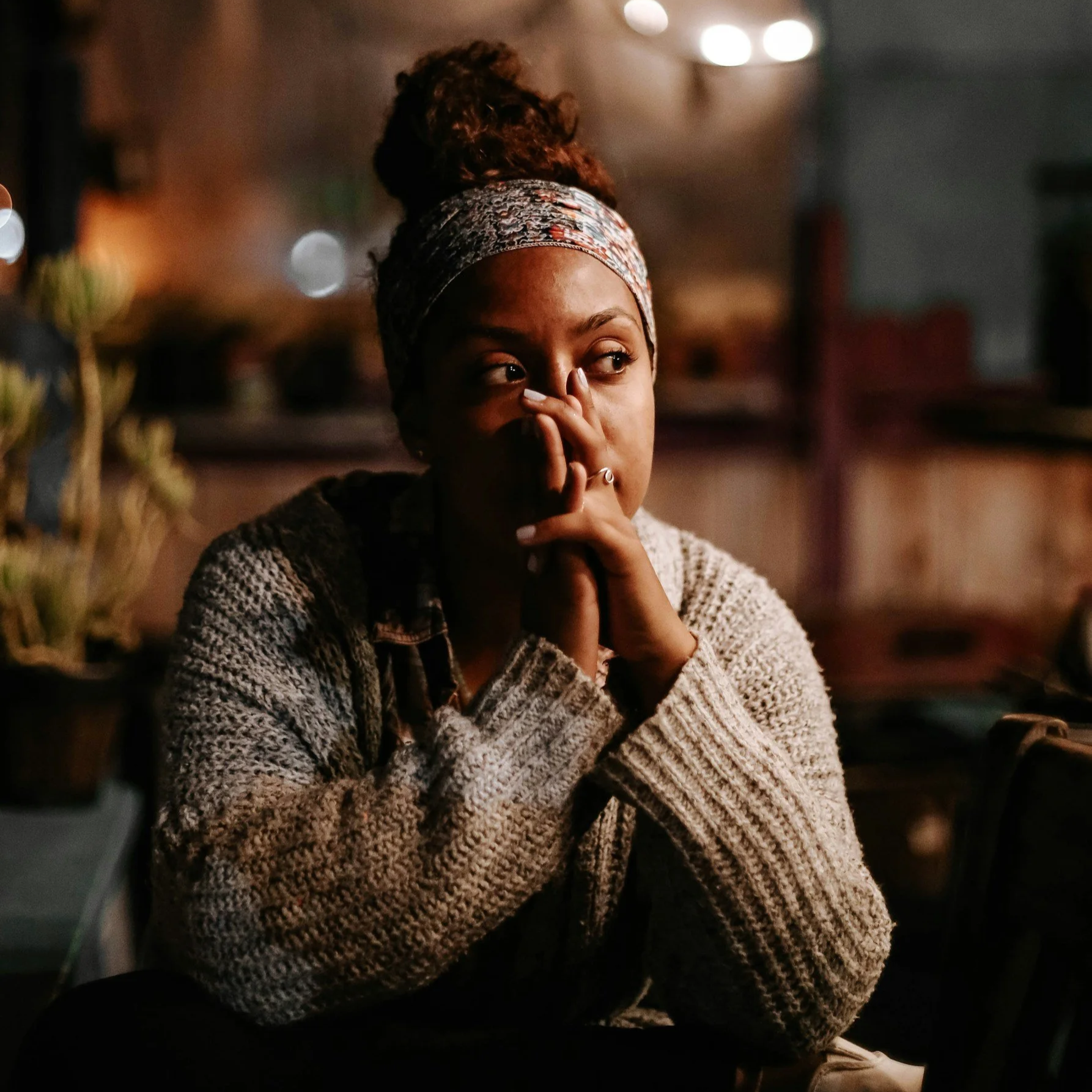
Why Healing Feels Heavy Before It Feels Free
Healing asks you to stop doing what once kept you safe. You might stop overworking. Stop caretaking. Stop ignoring pain. Those habits helped you survive. Letting go of them can feel like a loss, which can be terrifying.
Healing challenges your identity. That identity shift can feel unsettling. You may wonder:
Who am I if I’m not pushing?
Who am I if I rest?
Who am I if I say no?
There’s grief. Grief for time lost and for the version of you that struggled. The one who had to hold it together. Grief for what your body or life used to be.
Healing requires patience. Growth doesn’t happen on demand. Your nervous system learns safety slowly.
When you expect fast results, the slow pace can feel like failure—even when it’s progress.
How to Keep Trusting the Healing Process
Healing gets easier when you stop judging the process. A few gentle shifts can help:
Go slower than you think you should
Let emotions move instead of fixing them
Notice small signs of change (better sleep, clearer limits, softer self-talk)
Take breaks when your body asks
Healing isn’t about feeling good all the time. It’s about feeling more authentic, more connected, and more present.
Hard days don’t erase progress. They’re often part of it.
Tip: Instead of asking, “Why do I feel worse?” Try asking, “What am I noticing now that I couldn’t before?”
How My Practice Can Support You Through This Stage
At Emerging Pathways Psychotherapy, I support adults who feel overwhelmed, disconnected, or unsure during the healing process—especially those living with chronic illness or working in healthcare.
My approach focuses on:
Nervous system regulation
Gentle somatic and grounding tools
Making sense of emotional and identity shifts
Going at your pace, not a rushed one
You don’t have to push through healing alone. You’re allowed support while things feel messy.
Healing isn’t a straight line, and feeling worse for a while doesn’t mean you’re failing. It often means you’re finally slowing down, noticing, and letting old patterns shift. With patience and support, this heavier season can become a doorway to more steadiness and self-trust. If healing feels harder right now, you don’t have to figure it out by yourself. Let’s take the next step together.